
Down to Earth - Part Four - Connecting with the Community
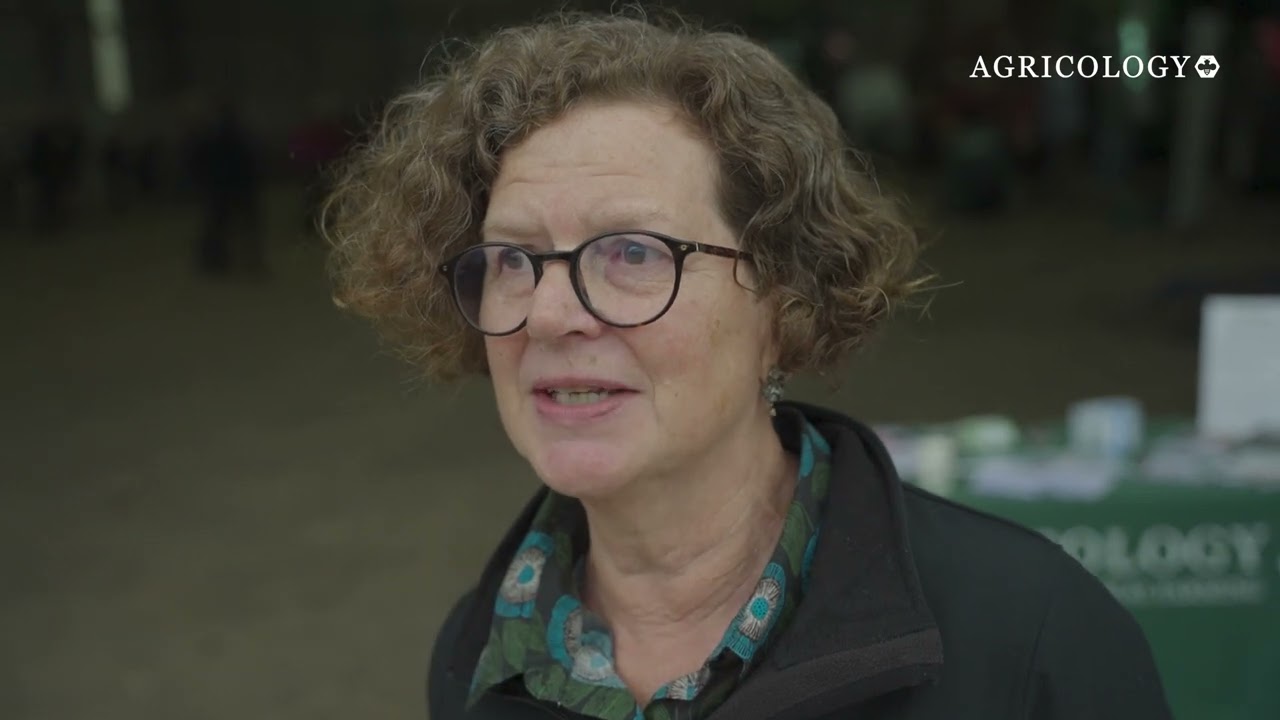
From Triple Performance

The final of a series of short films produced as part of the ‘Down to Earth’ project; a collaboration between Agricology, RuralPod Media and Down to Earth Media (funded by the Rothschild Foundation), which focuses on promoting sustainable agricultural practices being used on the Waddesdon Estate and beyond. The project looks at approaches being used to transition towards no/low input farming methods whilst highlighting the potential for agroecological innovation.


Part four, ‘Connecting with the Community’ focuses on the importance of bringing people together and connecting with the wider community to encourage change on a broader basis and help tackle the climate, policy and environmental changes farmers face. We hear how the estate engages with their tenant farmers, creating space to share ideas on improving farming practices, and examples of sharing knowledge and contributing to events with local farm clusters, environmental groups and agricultural organisations and projects, including Agricology.

Narrated by Ben Eagle

Find out more about the project here https://tinyurl.com/7unsm9cp/

Highlights

  • 🌱 Farmers and conservationists are uniting for sustainable agriculture.
  • 🤝 The Watson Estate fosters community connections among tenant farmers.
  • 🌍 Collaboration is key to tackling climate and environmental challenges.
  • 📚 Knowledge-sharing events facilitate learning and innovation.
  • 🐑 Tenant farmers adapt practices through shared experiences.
  • 🌾 Diversity in farming techniques is essential for sustainability.
  • 🔄 Engaging with the community enhances mental health and culture in agriculture.

Key Insights

  • 🌐 Collaboration is Essential: The shift towards teamwork between farmers and conservationists fosters a united approach to sustainability challenges. Emphasizing cooperation can lead to innovative solutions.
  • 🏡 Community Matters: The Watson Estate’s focus on tenant farmers highlights the importance of community in agriculture, providing continuity and shared responsibility for the land.
  • 🌳 Knowledge Sharing Drives Change: Events that gather diverse farmers promote the exchange of ideas, allowing for experimentation and adaptation in farming practices.
  • 🌾 Regenerative Practices are Key: By adopting regenerative techniques, farmers can enhance biodiversity and soil health, crucial for long-term sustainability.
  • 🧠 Mental Health and Culture: Rebuilding community ties within agriculture is vital for mental well-being, offering support systems for isolated farmers.
  • 🔍 Learning from Diversity: Different farming methods can coexist and benefit each other, with farmers learning from various scales of operation and techniques.
  • 🚜 Adaptation is Necessary: As agricultural policies and environmental challenges evolve, farmers must embrace adaptability and innovation to thrive in changing conditions.



Transcriptions

In recent years farmers conservationists and others have realized the need to come together to tackle the challenges they share the Watson estate is not only changing its farming practices but connecting with the wider Community to encourage change on a broader basis here in the UK I think conservation is farmers are working so much closely together 25 years 30 years ago when I started in this industry we were not in the same room most of the time when I go to meetings work in groups

Afficher la suite


we're all in the same room and we're all working towards the same goal and I think that's a snowball effect that is going to continue to get bigger and it's not rocket science these are actually quite easy things to do replicating what's already being done by nature and I think conservationists have had a change of attitude in that farmers are not the bad guys actually farmers are the key to what we need to do the biggest potential for biodiversity uplift is on those [Music] Farms is important to us to bring people together as a community in agriculture especially I think we have lost the culture in agriculture and we've become very very isolated and Farmers have become very isolated and that Community is vital for everything for culture for environment for mental health that Community is essential 2,000 acres of woodston is led to Five Tenant farmers who are an important part of the estate so tenant Farmers have been here for Generations father handed down to son and yeah that's something that we want to continue so having these families here generation after generation it's really important I think that adds that community that sense of continuity you know they're more a part of won than many of us who just work here are come on H H up good boy Charlie Bean runs sheep P Farm on the estate pris often visits the tenant Farmers to share ideas and engage with them about the new practices at won and you've adapted your business as we made the changes in sort of a that kind of smart farming regenerative farming thing' done you Chang the way your contract Works to sort of help us out with that oh absolutely yes when you started with the regenerative thing I was fascinated with it watch watching you and Pete do do the with the composting with the with the yeah I was yeah it was really fascinating it's taken us a few years and I think we're sort of getting that fine tuned now yeah yeah that's one of the things we need to work out as tenant farmer estate relationship is how do we help each other out with you know that kind of equipment and that kind of composting system our ears are always open to to ideas and how we can we can take some benefit from the things you're do all our tenant farmers are independent so they can do what they want they they're not influenced by us we don't make policy on what they do on their Farms but it's really important for me to come out and share the knowledge that we have and just that community of looking out for each other when when things go wrong whether it's you know you see something that's not right it's just being keeping those relationships going well I'll let you finish on that yeah thank you very much nice to see you yeah cheers Farmers like Charlie are starting to see how important engaging with the wider Community can be to tackle the climate policy and economic changes that farming faces with the environmental challenges that we face I think it's really good to be sharing our sharing our knowledge because it it's new to a lot of farmers and so it's it's very experimental and we're finding our way so if you can share some information or some knowledge and you can save others an awful lot of time the wson estate is not only connecting with its tenants but creating events with other organizations to bring Farmers together and share ideas so the event today is a knowledge sharing event where we're brought brought in some Farmers into Watson estate and we're partnering with the river tame conservation trust to share information around soil health and composting so what you see here is different people from across the industry being brought into one place whether sort of knowledge Seekers or knowledge providers and you've got some who are big scale like the won setup here at the estate and you've got farmers who are a bit smaller people like Tom and you know people can come and listen to what they've got to say and learn the space in between the two you know the the large and the small this kind of event is really important for agricology we're all about sharing information with Farmers around how to kind of transition to more agroecological practices and sort of learning and generally sharing farmer clusters bring far Farmers together across a local landscape to tackle shared environmental challenges with the first groups forming around 10 years ago there are now dozens across the UK we've been facilitating the farm cluster in in the tame catchment for a few years now but and and it's a really really important part of our work as a as a river trust we think they're really important not just for us but they're important from the farmers we get the feedback that it's a good support network it it helps them to talk to other Farmers trying new experiences in in these times in particular when the agricultural landscape is changing so much the funding is changing and there are new opportunities to diversify I think this is a brilliant way to for Farmers to learn kind of in in situe on site on Farm they can touch they can feel they can see what's going on you know we have an online platform which is great and certainly in the sort of winter months and the downtime people can read up on certain practices but coming face to face couple of talks getting their hands dirty with a compost I think there's a lot of learning happens in this kind of space it's great to get together and work on local projects like rejuvenating the river and share stories and experiences and so I think a farm cluster is a really valuable thing and although we Farm quite differently within the cluster I'm organic for example and many of the others aren't it's good to sort of make friends with each other and share information so that we're not all in silos I've learned today that diversity is key in in every aspect of of our management diversity in our techniques and diversity in the plants and the Flora and FAA that we're trying to proliferate Waton estate hopes to inspire Farmers Nationwide to adopt regenerative practices by innovating their methods farmers will rise to the challenge of climate change and ensure soils are sustainable for the future I find engaging with other farmers in the cluster really really good fun and really valuable we've done stuff here that a lot of them can't do our scale and our environmental aims here allow us to do that but equally a lot of them have got a lot of things that they try at their scale where they've got the attention to detail that I can't do here and I can learn from that so that knowledge sharing is is huge it it it lets you question what you're up to it lets you discuss what you're up to and it lets you learn from other people our industry is changing so we've got to change we've got to reduce these inputs we've got to be smarter about how we farm and we're having a go we're seeing what we learn and if we can pass that on and other people can learn the positives that's job done for us